
Blog
The Cockroach Labs Blog

What is CRDB?
CRDB is shorthand for CockroachDB: the scalable, consistently-replicated, distributed SQL database. A single instance of CRDB can scale from a one laptop to thousands of servers distributed all around the world.
Michelle Gienow
December 27, 2023
How to answer the question ‘when are we getting AI?’ without screaming inside
The question comes at you in the hallways, the cafeteria, even the restroom: "Hey, when are WE getting AI????" It's all anyone wants to talk to you about these days. Here is a handy four-step plan for evaluating and adopting AI so you can satisfy your curious co-workers, instead of simply screaming (on the inside, hopefully).
Michelle Gienow
December 22, 2023

Product
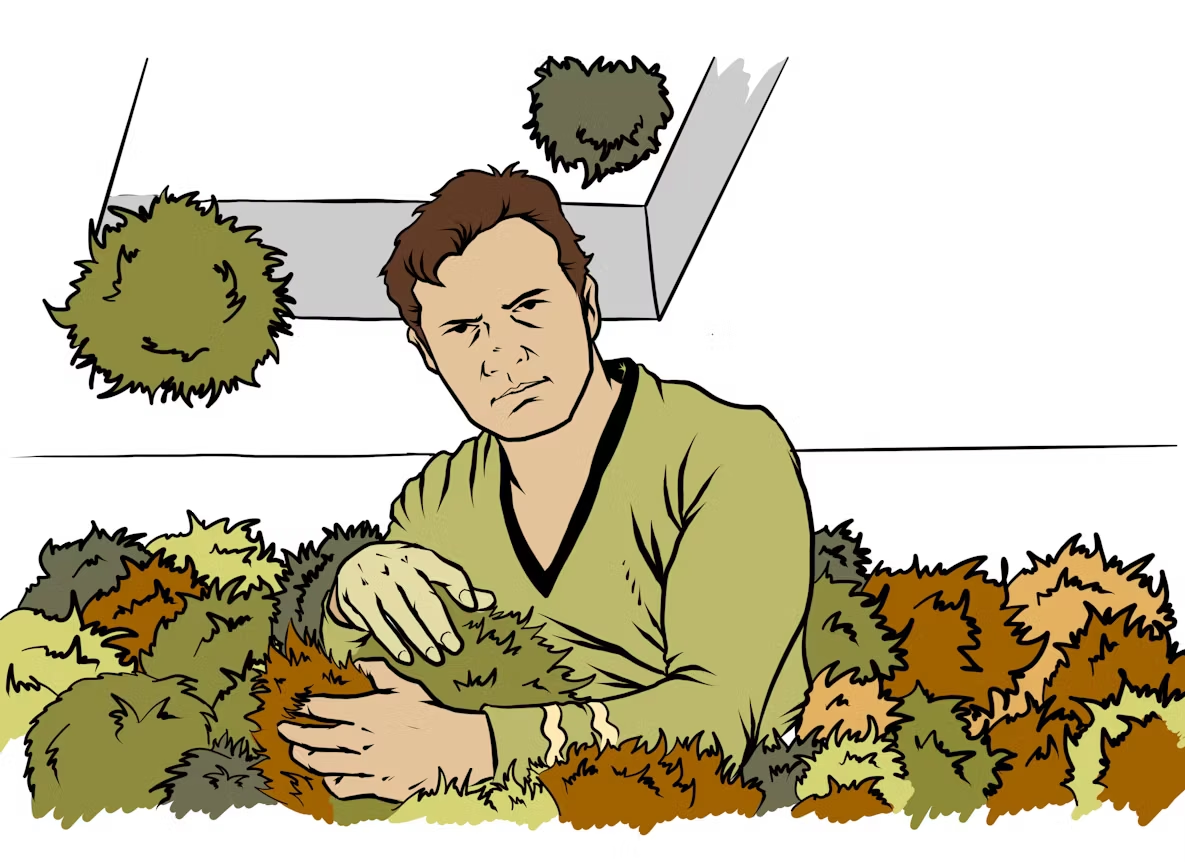
8 database lessons you can learn from "Star Trek: TNG"
Star Trek: The Next Generation may have stopped airing in 1994, but it’s a series that’s always rewarding to return to. Arguably the most cerebral of the various Star Trek film and television series, the best episodes of TNG are just as thought-provoking today as they were when they were first televised.

Charlie Custer
December 21, 2023
3 lessons from a highly successful database migration and modernization
Modernizing the data layer in your stack can be hugely beneficial, but it can also be risky. Here are three lessons Spreedly learned in their modernization efforts.
Charlie Custer
December 19, 2023

How Tweeq Built a Digital Banking Platform using Go, CockroachDB & Oracle Cloud
Tweeq's cloud-agnostic "no-brainer" tech stack — Go, CockroachDB, Temporal, Bazel, and gRPC, deployed on Oracle Cloud — let them build a payments platform that is scalable to millions of users, available 24/7, extensible, and easy to change.

Rob Reid
December 14, 2023

Migrating PostgreSQL to CockroachDB For Multicloud
At RoachFest23, platform engineers Rogger Fabbri and Mario Morgado documented Form3's migration from PostgreSQL and demonstrated the platform's multi-cloud architecture, using CRDB and Kubernetes to span AWS, GCP and Azure with active-active replication to survive any event — even a full cloud outage.
Michelle Gienow
December 13, 2023

Why multi-cloud: the 5 best reasons, according to experts
There’s a lot of hype around multi-cloud, but that doesn’t mean adopting a multi-cloud architecture is right for everyone. So what are the "right" reasons to adopt it?
Charlie Custer
December 11, 2023
Product
How to change your database schema with no downtime
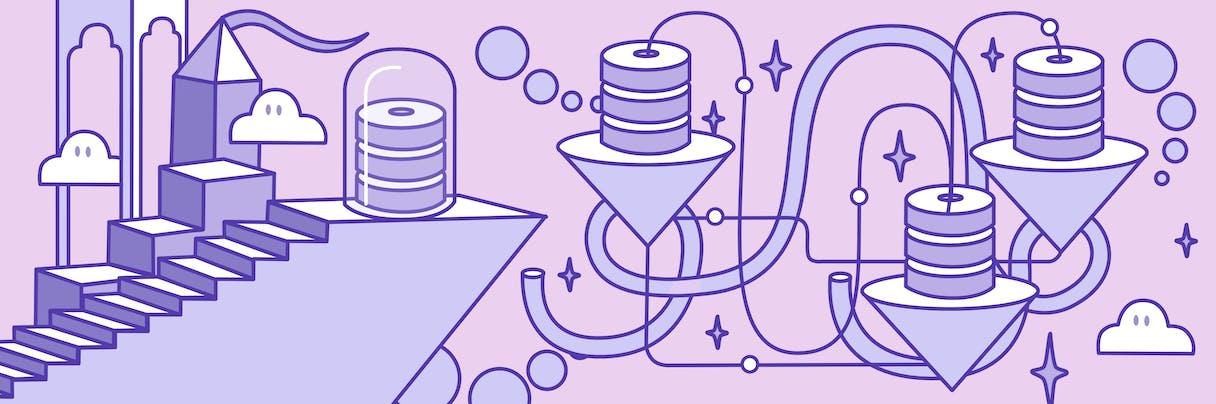
Just the thought of updating the database schema is enough to give some developers and architects a headache. Designing a good schema is hard enough. Updating it once it’s in production? That has to be a nightmare. Right? Well, historically it certainly has been! But it doesn’t have to be. Let’s take a look at the options for dealing with database schema, and learn how live schema changes solve challenges with both traditional relational databases and NoSQL document-store alternatives.
Rob Reid
December 8, 2023

True Tales of Survival: Saving your data center with a bucket brigade
True story: It's October, 2012. A company decommissions its DR facility. Days later, Superstorm Sandy hits. You won't believe what happens next!
Michelle Gienow
November 30, 2023
Get started for free